Water Damage Restoration | Shelby, NC
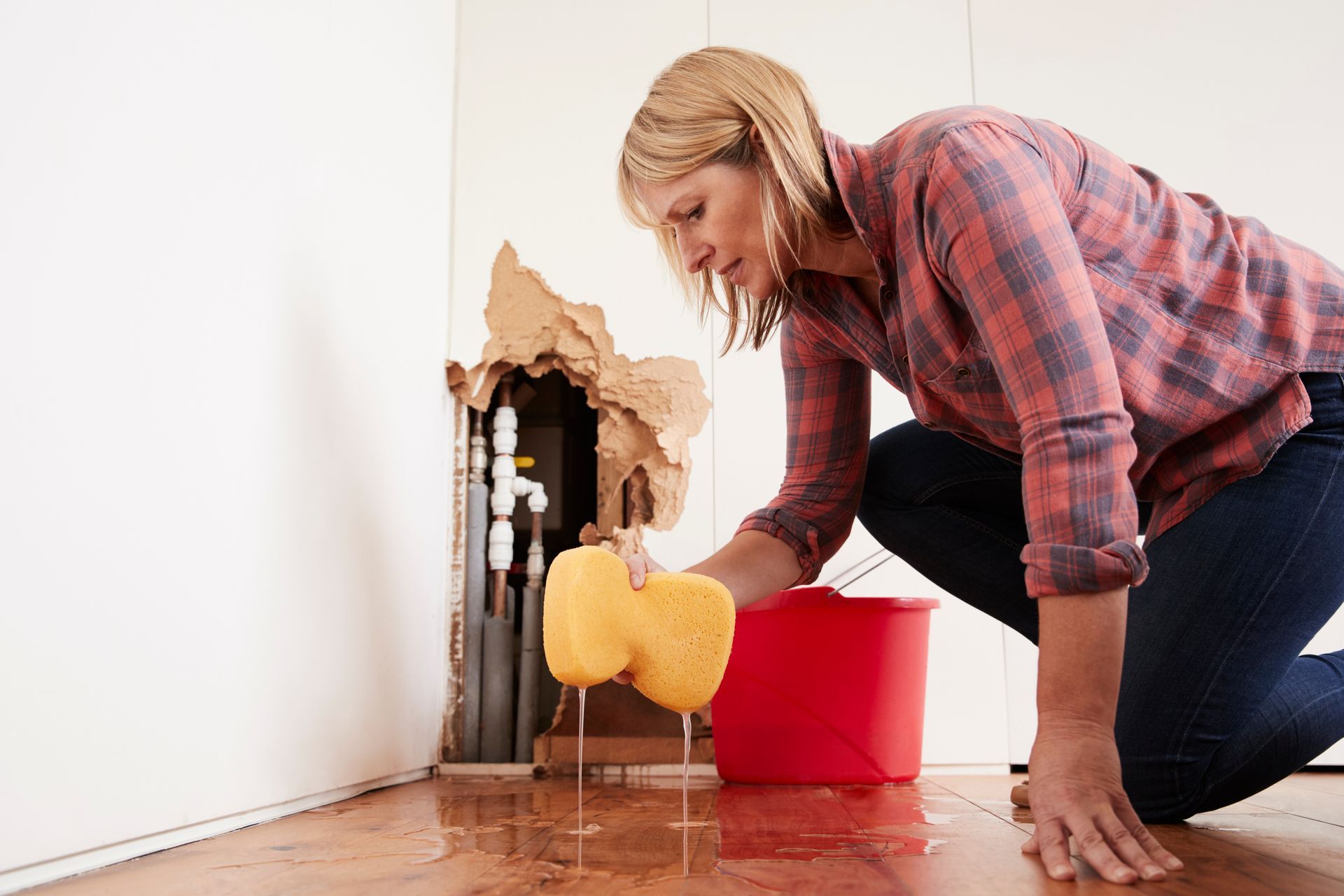
Water damage in Shelby, NC, and the mold risk that follows it are two of the most important topics covered by water damage restoration professionals in the area. Many homeowners assume mold only grows in homes that have been flooded for weeks. The truth is more urgent than that, and understanding the relationship between water intrusion and mold growth can help you protect your Cleveland County home before a bad situation becomes a much worse one.
How Quickly Can Mold Grow After Water Damage?
Mold can begin to develop in as little as 24 to 48 hours after moisture enters a home. That short window surprises most homeowners. You do not need standing water or a major flood for mold to take hold. A slow leak behind drywall, a damp subfloor after a pipe break, or even saturated insulation following a roof leak can provide everything mold spores need to start growing: moisture, warmth, and an organic surface to feed on.
Once mold starts, it spreads. Spores move through your HVAC system and air circulation, reaching rooms that were never directly affected by the original water event. This is why water damage restoration in Shelby, NC, is most effective when it begins immediately, not days later when visible mold has already appeared.
Does Mold Always Follow Water Damage?
Mold does not always follow water damage, but the conditions in Shelby make it far more likely than in drier parts of the country. Shelby sits in a humid subtropical climate, and summers here regularly push outdoor humidity to uncomfortable levels. When warm, moisture-laden air combines with residual dampness from a water event inside a home, mold spores can find the conditions they need very quickly.
Several factors determine whether mold will develop after water exposure:
- How long the moisture was present before drying began.
- The type of materials affected, since porous materials like drywall, wood framing, and carpet hold moisture longer.
- The ambient humidity inside the home, which in Cleveland County summers can stay elevated for days at a time.
- Whether professional drying equipment was used to pull hidden moisture from wall cavities and subfloors.
A small leak caught and dried within a few hours carries a much lower risk than water that soaks into flooring and sits undetected for a week. Speed is the most powerful factor in preventing mold after any water event.
Warning Signs Mold May Already Be Present
Mold does not always show itself right away. Homeowners should watch for these early indicators after any water event:
- A musty or earthy smell that lingers even after surfaces appear dry.
- Discoloration on walls, ceilings, or floors, including black, green, or gray patches.
- Warping or bubbling paint, which often indicates moisture trapped underneath.
- Unexplained allergy symptoms or respiratory irritation that gets worse indoors.
- Visible dark spotting in corners, behind cabinets, or inside closets near the affected area.
Many Cleveland County homes, particularly older properties throughout the Shelby area, have crawl spaces and basements that are especially vulnerable. These areas can trap moisture for weeks without the homeowner realizing it, creating hidden mold colonies that only become apparent once the problem is significant.
What Professional Water Damage Restoration Actually Does
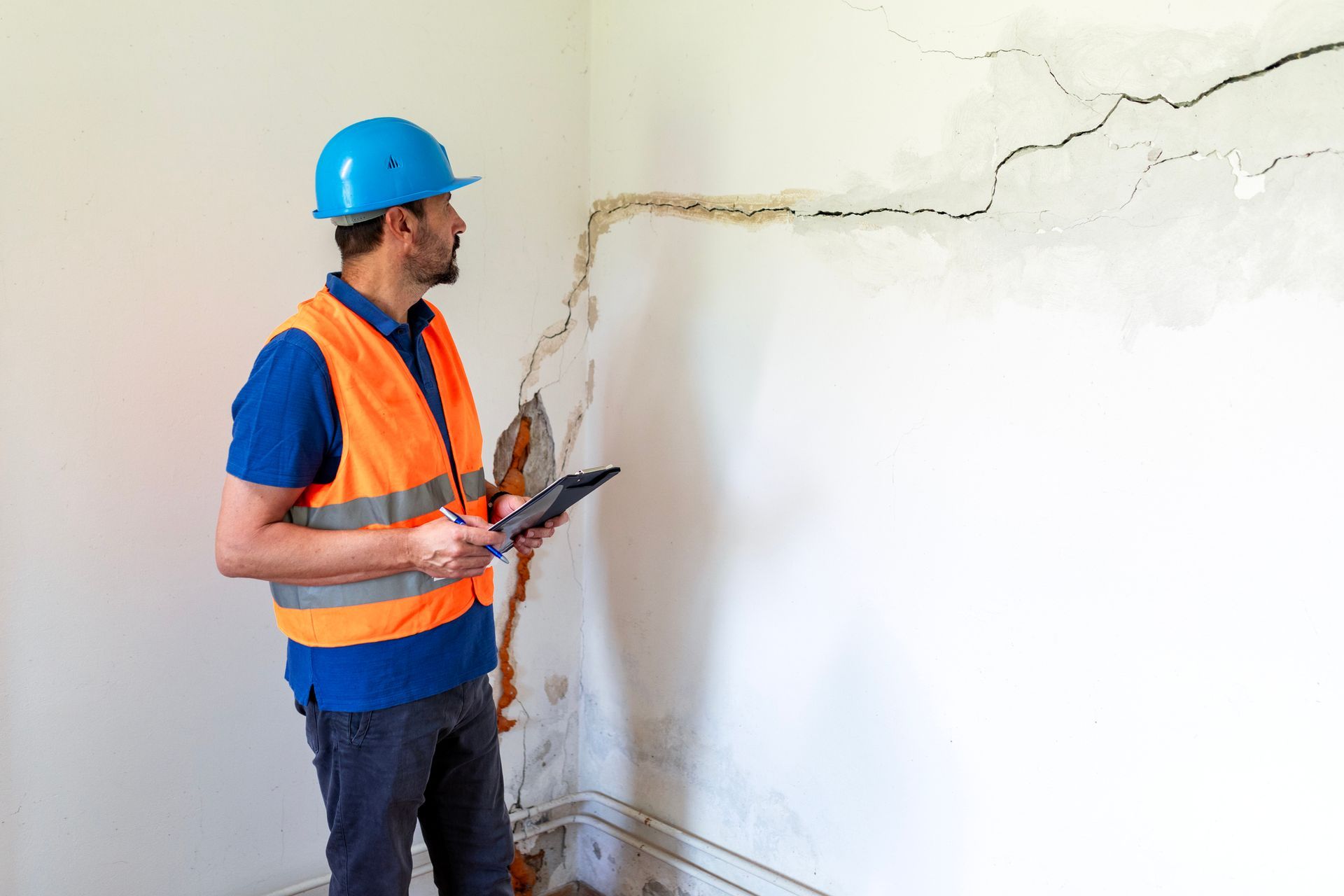
Professional water damage restoration goes well beyond removing standing water. A trained crew uses moisture meters and thermal imaging to locate dampness inside walls, under flooring, and within structural cavities that are invisible to the naked eye. Commercial-grade air movers and dehumidifiers then extract residual moisture from those materials before mold can begin to colonize them.
When restoration is handled correctly and quickly, mold often never gets the chance to start. That is the goal. Thorough drying and sanitization after a water event can break the chain between water intrusion and mold development. Skipping steps or relying on household fans and towels typically leaves hidden moisture behind, and that moisture is where mold finds its foothold.
Mold remediation, when it is needed, involves containing the affected area, removing contaminated materials, treating surfaces with antimicrobial agents, and verifying air quality after work is complete. It is a more involved and costly process than proper drying done immediately after a water event.
How Long Does It Take for Mold to Become a Health Risk?
Mold can begin affecting indoor air quality within days of forming. Some people, especially those with asthma, allergies, or compromised immune systems, may notice symptoms sooner. The longer mold is left untreated, the greater the potential impact on your home's air quality and structural materials.
Can I Handle Mold Cleanup Myself After Water Damage?
Small surface mold on non-porous materials may sometimes be wiped away with appropriate cleaners. However, mold that has penetrated drywall, wood framing, or insulation typically requires professional remediation to remove safely and completely. Disturbing mold without proper containment can spread spores to other areas of the home.
How Do I Know If My Home Was Dried Properly After a Water Event?
Professional moisture meters provide objective readings that confirm whether materials have reached safe moisture levels. If the drying process was handled without this equipment, residual moisture may remain even when surfaces feel dry to the touch.
Take Action Before Mold Takes Hold
Every hour after a water event matters. Quick, professional response is the most reliable way to prevent mold from following water damage in your home. When you work with Carswell Construction and Restoration, you have a locally rooted team with more than 40 years of experience managing water damage restoration in Shelby, NC, and throughout Cleveland County. The crew uses commercial-grade equipment, handles every stage from water extraction through final repairs, and coordinates directly with your insurance company.
Do not wait to see if mold appears. Contact our team to request a free quote, or call (704) 482-6959 any time, day or night, for 24/7 emergency response.